
Medicinal Plants: Nature’s Toolbox for Healthy Gut Function in Poultry

The importance of gut health in poultry production cannot be overlooked, as it has a direct impact on bird performance, growth, and overall production efficiency. A healthy digestive system is essential for proper digestion, absorption, and optimal utilization of nutrients. Producers strive to improve gut health through balanced nutrition, effective management practices, and increasingly through […]
Foot-and-Mouth Disease Virus and Biosafety

Foot-and-mouth disease (FMD) is a highly contagious infection affecting cloven-hoofed animals. This article aims to identify the existing data gaps required to enhance prevention and strengthen appropriate control measures for this disease. The World Organisation for Animal Health (WOAH), the World Health Organization (WHO), and the Royal Institute of International Affairs (Chatham House) are currently […]
Effects of Standardized Ginger Extract (Zingiber officinale Roscoe) on Intestinal Morphology, Microbiota Composition, and Growth Performance in Broiler Chickens
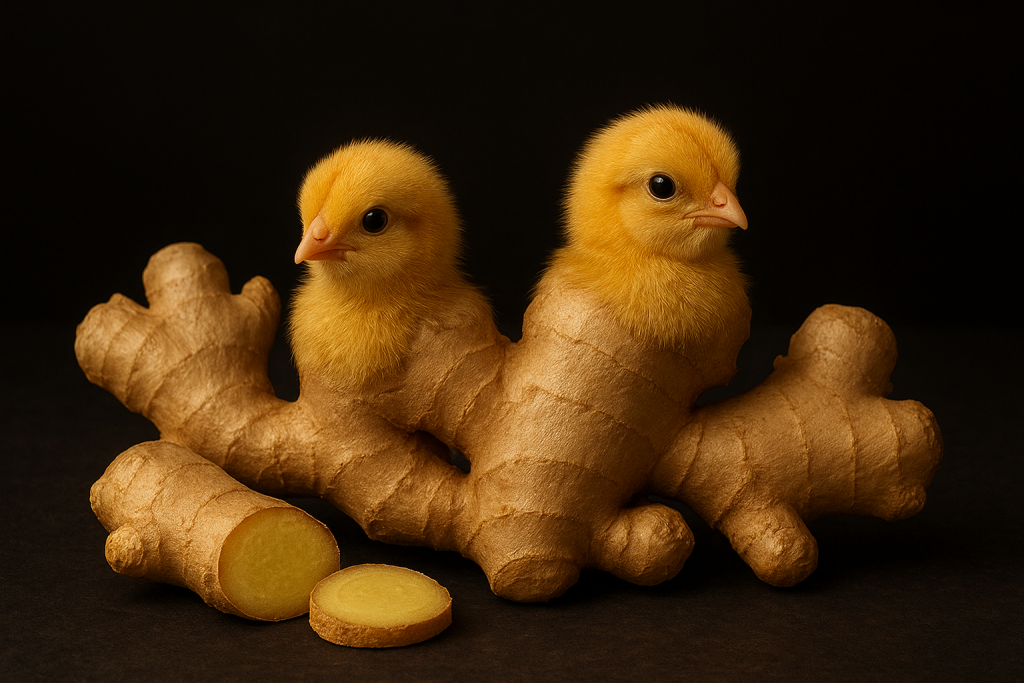
With increasing concerns regarding antimicrobial resistance in livestock, there is a widespread need for sustainable alternatives that can enhance health and productivity in poultry production. Ginger (Zingiber officinale Roscoe) is a phytobiotic known for its diverse health benefits, including growth promotion and improvement of intestinal function, and has therefore been evaluated for its effectiveness in […]
Why Do Poultry Eat?

Poultry consume feed to meet their energy and nutrient requirements. Although the type and amount of feed intake vary depending on species, age, genetic strain, and production purpose (broilers, layers, or breeders), there are fundamental physiological mechanisms that regulate feed intake in both the short and long term. The dietary energy level is generally the […]
Effect and interaction of glycine intake with other amino acids
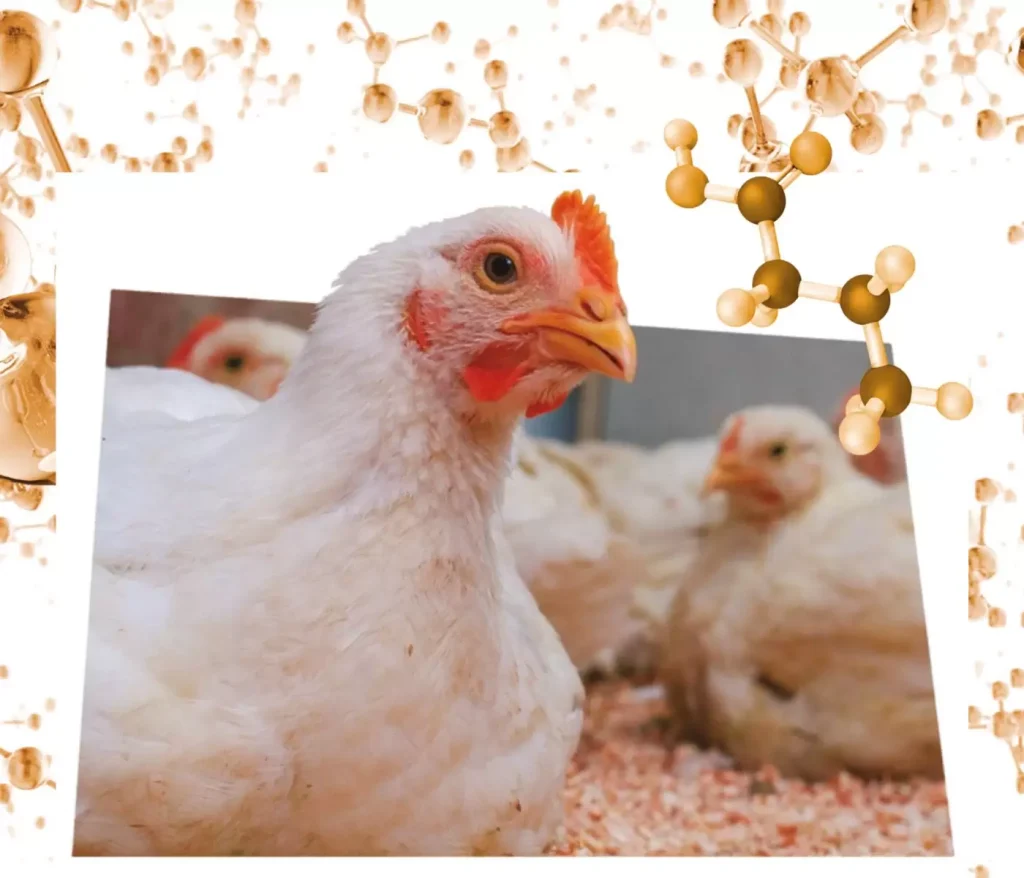
in low protein diets in broiler chickens Since natural sources of protein are limited, and given the increasing demand for animal proteins, various strategies must be used to increase diet efficiency while reducing its environmental impact. Abandoning traditional livestock feeding methods of the past and switching to modern feeding strategies can play an important role […]
Heat Stress (Causes, prevention and coping strategies)

Chickens are particularly sensitive to hot, humid weather conditions and are at risk of heatstroke. Because chickens have high body temperatures and lack sweat glands, they rely on panting to release heat from their bodies. Without heat regulation, birds often suffer from heatstroke and its complications. One of the reasons for poor growth performance in […]
Managing and monitoring the effects of mycotoxins on the farm

Tony McDougall (journalist) once wrote in Poultry World magazine: “Increasing demand for eggs, meat and milk in recent decades has increased the EU’s imports of cereals and pulses from developing countries with more tropical climates, where mycotoxin levels are higher – and therefore increased the prevalence of mycotoxins in the EU.” In the livestock industry, […]
Overview of Fly and Larva Control in Poultry Farms

Flies pose a health risk to humans and poultry. They carry Salmonella, Pasteurella, Campylobacter and E. coli, which have a negative impact on poultry flocks and farm personnel. The rate of reproduction of flies can vary depending on environmental conditions such as heat, humidity and food sources, but 5 to 6 generations can be expected […]

